Kolektivo Impact Report (2022)
What we did
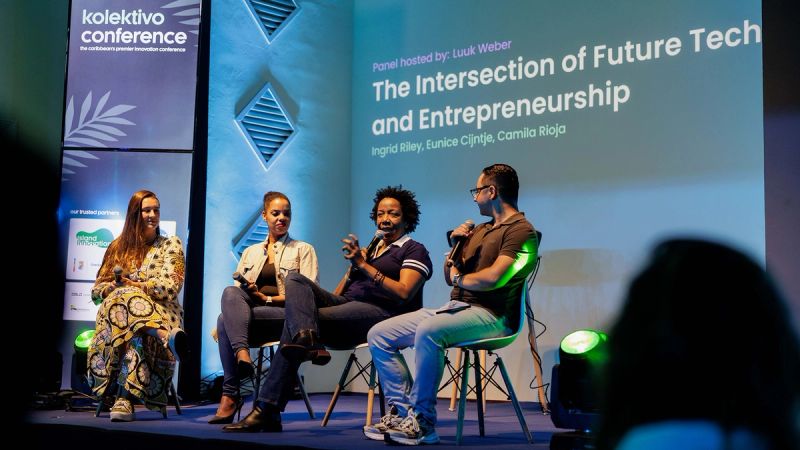
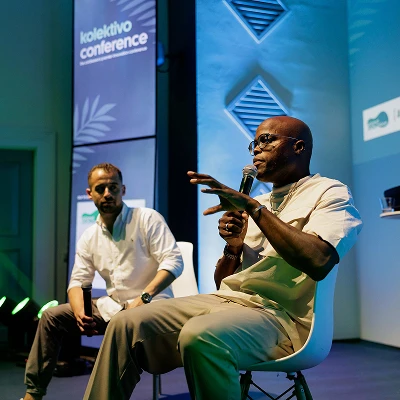
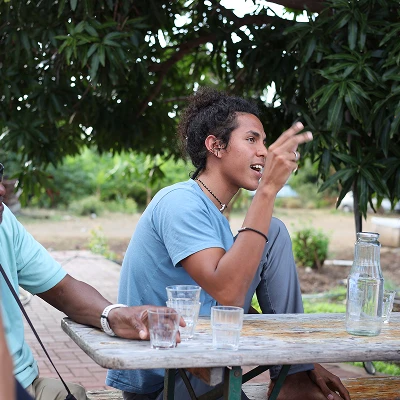
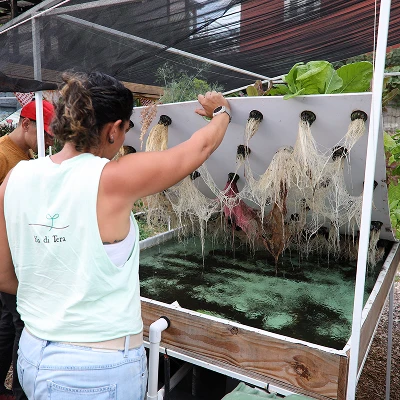
In 2021–2022, Kolektivo Curaçao funded 40 impact grants across five impact areas, engaged more than 1,200 people, organized 10 community events — including the first Kolektivo Festival (2022)— built a Talent Pool of 147 young professionals, supported 5 food forest projects, published 2 regenerative framework models, and launched the Kolektivo App. This report documents that work in full — the projects, the grantees, the numbers, and the thinking behind them.
It also records our journey up to that point: from the Caribbean Blockchain Network in 2018, through the CuraDAO and CuraDAI pilots, to the launch of Kolektivo with Celo's support in 2021.
Why it's still valuable
The analysis holds up.
The report describes the structural realities we still work on today: an economy dependent on tourism, food production covering just 3–5% of what the island consumes, and a small island state exposed to climate shocks. Anyone building on Curaçao starts from this picture.
The five impact areas remain our compass.
Healthy ecosystems, entrepreneurship and innovation, human development and leadership, community participation, and creativity and culture — these are the same domains we mobilize talent and capital toward today. What evolved is the engine: from grant allocation to investment and venture building.
The natural capital work continued.
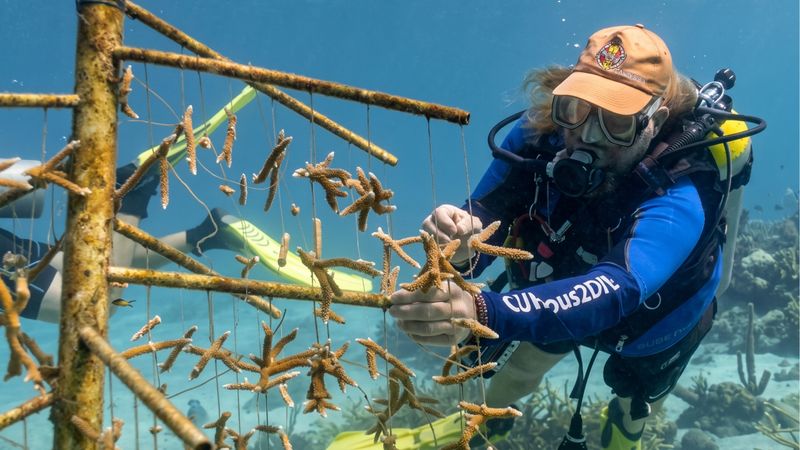
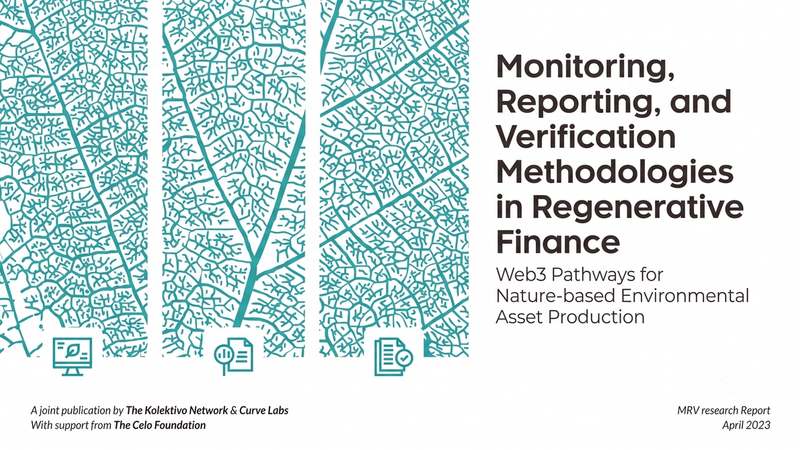
The chapters on food forests, the blue economy, and natural capital as an untapped asset class laid the groundwork for our current crediting and natural-asset work — see the Reef Restoration Credits program for where we stand today, alongside our MRV research (2023) on impact verification.
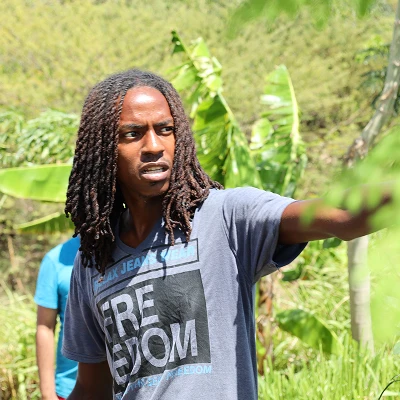
Our 2022 Natural Capital & Food Forest video — watch on YouTube. Roles and tools have evolved since; the holistic perspective on natural capital and regeneration is as relevant as ever.
What it gave us
Two years of running grants, community programs, and pilots on the ground taught us how communities organize, what local projects need to succeed, and where technology helps versus where it gets in the way. That experience — documented here — is what we build today's regenerative systems on. The cycle it covers carried directly into our selection for the UNICEF Venture Fund's Climate Tech Cohort — the full story is in From Stockholm to Trinidad.