MRV Methodologies in Regenerative Finance (2023)
What we did
In 2023, we published "Monitoring, Reporting, and Verification Methodologies in Regenerative Finance: Web3 Pathways for Nature-based Environmental Asset Production" — a research report on how impact gets measured, reported, and verified in regenerative finance.
Authored by Louise Borreani from EcoFrontiers and reviewed by teams across the ReFi ecosystem — Regen Network, Open Forest Protocol, Open Earth, IXO, and others — it maps the decentralized MRV landscape: methodologies, data providers, technology readiness levels, and the building blocks a project needs to develop nature-based assets of its own.
Why it's still valuable
The cost problem it identifies is still the problem.
Traditional MRV averages around $50K per project with minimum size requirements that exclude nearly all small land managers. That is why Caribbean ecosystems remain invisible to environmental markets, and it defines the gap we create.
The methodology framework is still our checklist.
The report's breakdown of an MRV strategy — satellite data, boots-on-the-ground verification, IoT, participatory approaches — is the framework we use when designing crediting systems today. The project landscape it surveys is a 2023 snapshot; the design principles are current.
Participatory MRV became central to our work.
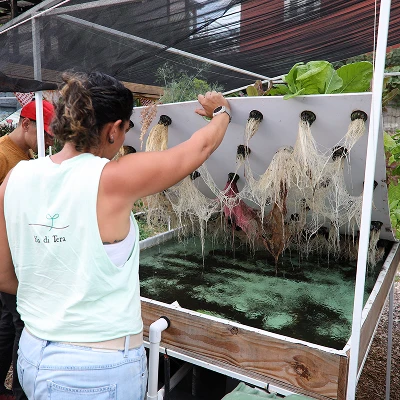
The report makes the case that community-performed verification is low-cost, immediate, and builds local capacity. That principle now anchors our current crediting work for our Reef Restoration Credits.
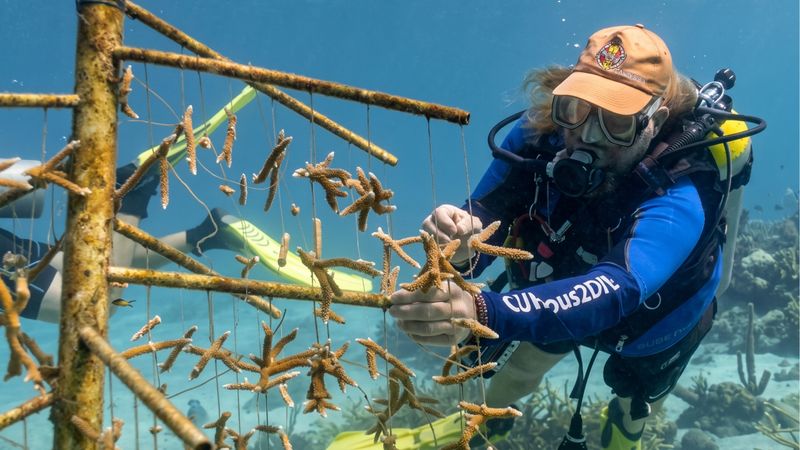
Our 2022 coral restoration video from Curaçao — watch on YouTube. Specific roles and tools have evolved since; the holistic view of marine regeneration it captures is exactly what today's crediting protocols exist to fund.
What it gave us
This research gave us a working knowledge of every major approach to impact verification in the space — what each costs, what each requires, and where each fits. When we design regenerative systems today, from community programs to natural-asset protocols, we draw on this reference. It was published during the same cycle in which we built and piloted the Kolektivo platform with the UNICEF Venture Fund — that story is in From Stockholm to Trinidad — and it pairs with the field experience documented in our Impact Report 2022.