How Kolektivo makes Caribbean natural capital fundable
In the Caribbean, nature is not a backdrop to the economy — it is the economy. Coral reefs alone underpin hundreds of millions of dollars in tourism and fisheries revenue across the region every year, while protecting our coastlines and feeding our communities. Yet for generations, that natural capital has been treated as free and infinite: something to draw down, never something to invest in. Kolektivo's work over the past years has been a sustained effort to flip that logic — to build the financial infrastructure that lets healthy nature become an asset worth funding, not a cost to be ignored.
Starting with community, not capital
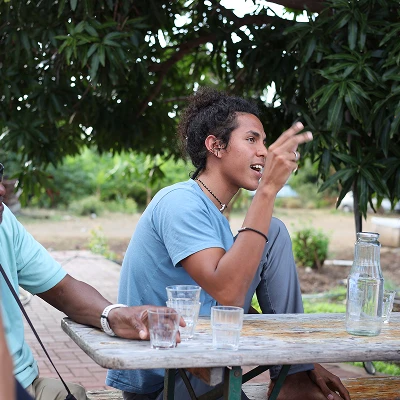
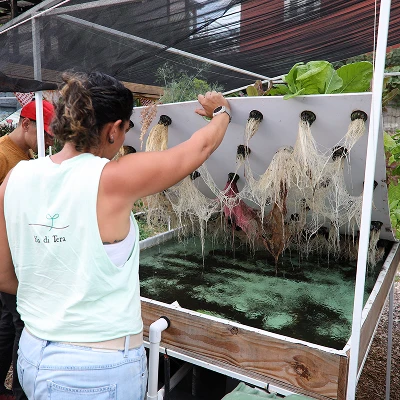
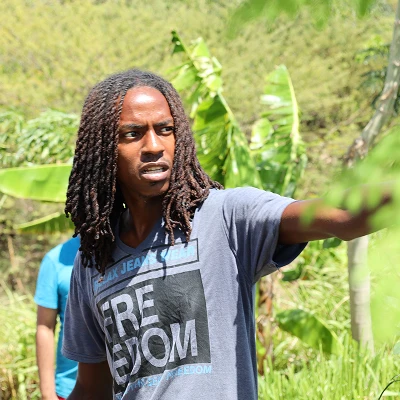
Kolektivo began in Curaçao with a simple conviction: lasting change is built locally, by the people who live with the consequences. Before any talk of credits or markets, the work was about strengthening the local economy from the ground up. Through Kolektivo Curaçao, we distributed impact grants to more than 40 community projects across six impact areas — including early support for coral reef regeneration and regenerative food forests, the same ecosystems our nature-finance work now centres on.
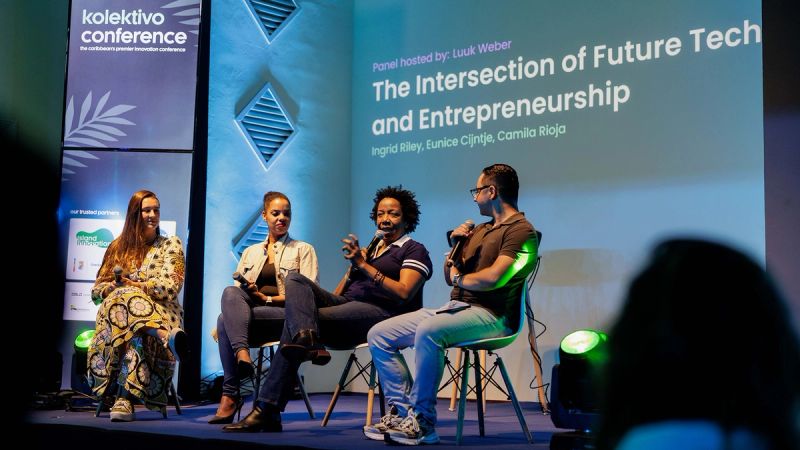
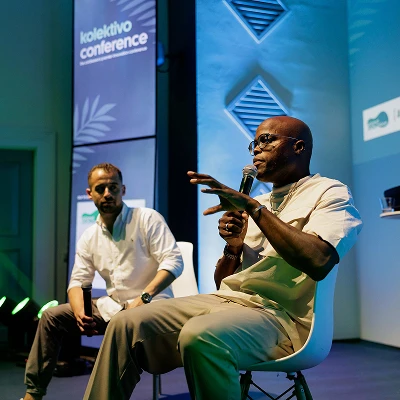
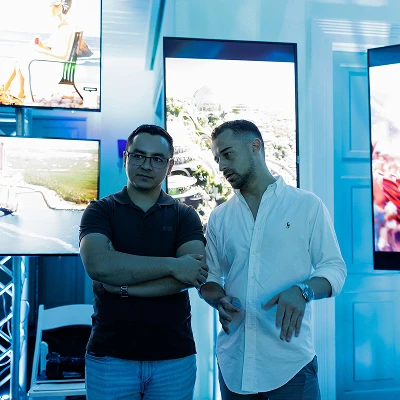
That groundwork came together publicly at the first Kolektivo Innovation Festival in October 2022 — the largest Web3-for-impact gathering the Caribbean had seen, with 700+ participants and 40 speakers. It convened the region's first real Regenerative Finance community and proved something we'd long believed: that a small island could be a serious testing ground for new economic models, blending global financial innovation with deeply local needs.
From local impact to natural capital
A ton of carbon or a hectare of restored reef means little as an abstraction — its value lives in a specific place, monitored by specific people, verifiable over time. That principle pushed our work toward natural capital directly: pioneering ways to represent real ecological assets as transparent, location-anchored records, and developing the monitoring, reporting, and verification (MRV) methods that any credible nature credit depends on.
Along the way, Kolektivo grew into a recognized voice in Regenerative Finance (ReFi) — anchored in the Doughnut Economics framework, built on carbon-negative infrastructure, and selected into cohorts like the UNICEF Venture Fund's climate programme. The thread running through all of it has been consistent: nature should be the foundation that capital is built on, not the casualty of how capital is deployed.
The reef pilot: the Caribbean's first marine biodiversity credit
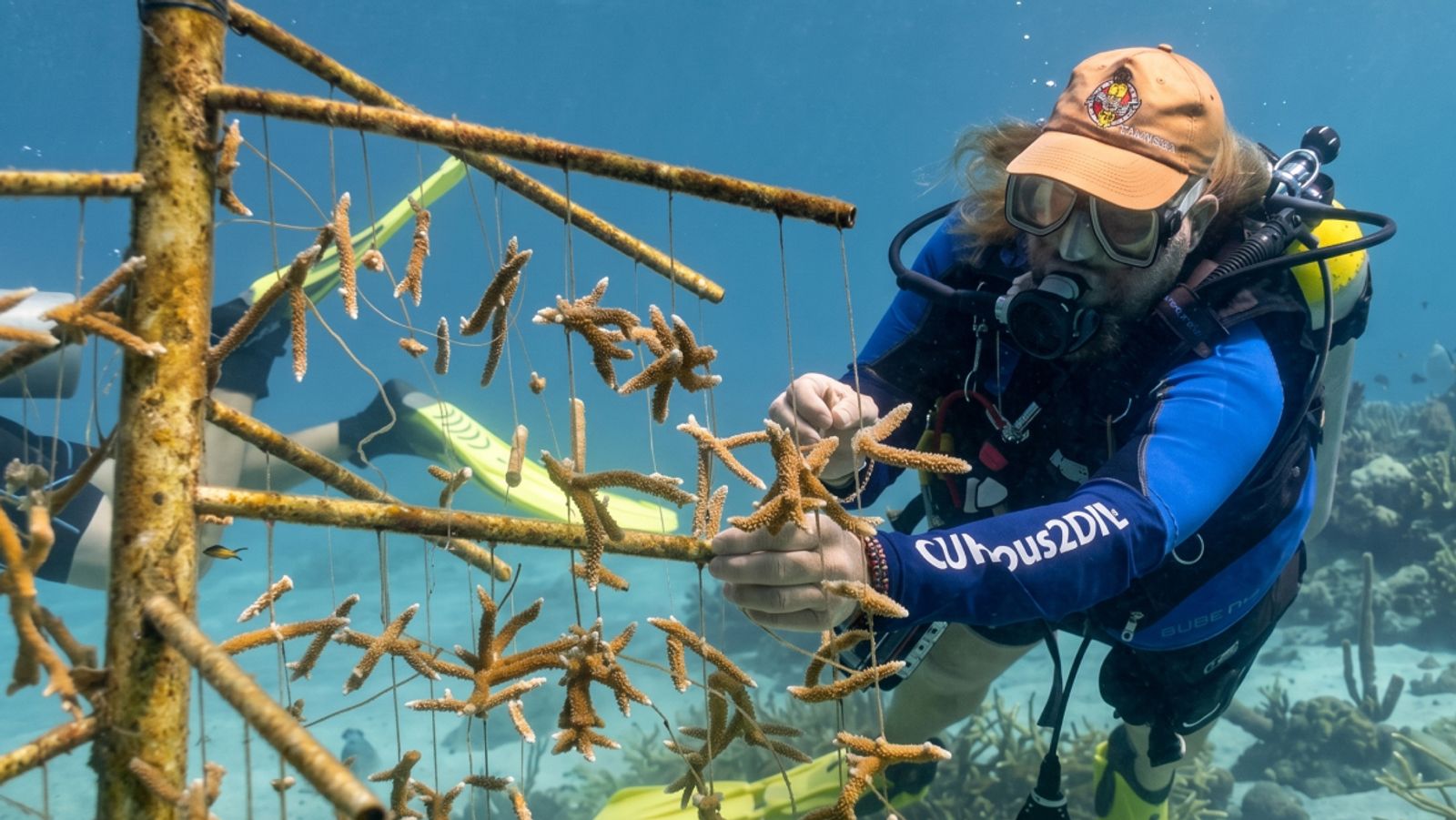
That journey now arrives at its most concrete expression yet, the Piscadera Reef Recovery Pilot. In partnership with the CARMABI Foundation (the oldest marine research institute in the Dutch Caribbean, with over 50 years of continuous reef data) and partners, with credits issued through SeaTrees, we are restoring a degraded reef directly in front of CARMABI's research station — and financing it as the first marine biodiversity credit in the Caribbean.
The mechanism is deliberately simple. Restoration is funded through Biodiversity Blocks, where each Block represents one coral secured to the reef, and every purchase also underwrites the monitoring, herbivore restoration, and community work that make recovery durable. Crucially, the model is built to break the grant-dependency loop that has long constrained Caribbean conservation: it pairs philanthropic and institutional funding with a repeatable, revenue-generating credit, and exports something rare — a trained local restoration workforce and a costed, replicable template ready to scale across the region.
An invitation to co-fund
Piscadera is intentionally designed as a training ground. It is the operational proof-of-concept for a much larger reef restoration programme across Curaçao and the wider Dutch Caribbean — and a template other small island states can adopt. For the regional NGOs, government bodies, and institutional partners reading this, that is the opportunity: a chance to co-fund not just the recovery of one reef, but the financial machinery that can fund nature restoration across the Caribbean for years to come.
Nature has always been the foundation our economies stand on. The work now is to fund it like we know that's true.